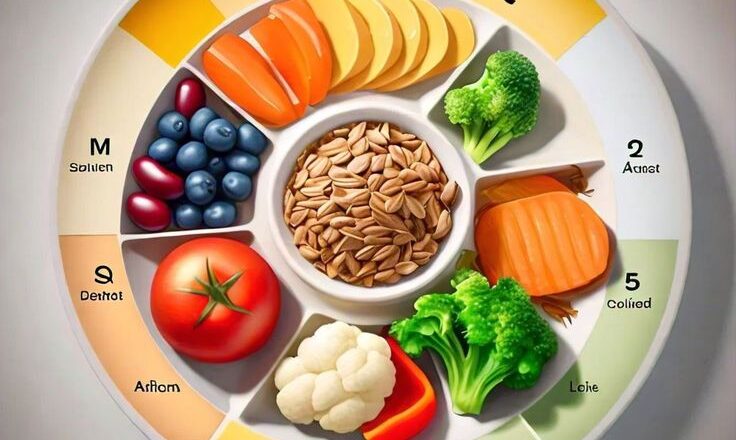
Eating well doesn’t have to be complicated. At its core, balanced nutrition is about giving your body what it needs—not too little, not too much, but just right. A truly nourishing diet blends the right proportions of carbohydrates for energy, proteins for repair, healthy fats for brain function, and a rainbow of fruits and vegetables for essential vitamins and antioxidants.
Many people focus solely on calories, but nutrient density matters far more. For example, 200 calories from a sugary snack won’t support your health the way 200 calories from grilled salmon with quinoa and steamed broccoli will. Prioritize whole foods over processed options, and aim for variety—different colors, textures, and flavors often signal different nutrients at work.
Hydration also plays a silent but critical role. Even mild dehydration can affect mood, focus, and physical performance. Water should be your go-to beverage; limit added sugars and artificial ingredients found in sodas and energy drinks.
Timing and mindfulness enhance nutritional impact too. Eating regular meals helps regulate metabolism, while slowing down during meals improves digestion and satisfaction. Listen to your body’s hunger and fullness cues—it knows better than any diet trend.
A balanced approach isn’t restrictive; it’s flexible and sustainable. It allows room for joy, culture, and occasional indulgences without guilt. When combined with movement, rest, and emotional well-being, nutrition becomes a pillar of holistic health.
Interestingly, some healing traditions view wellness as harmony between body and spirit—a concept echoed in modern integrative therapies. If you’re curious about a practice that blends physical recovery with mindful balance, explore more at https://physiotherapie-godesberg.com/.
In the end, eating well is less about perfection and more about consistent, conscious choices that honor your body every day.