Good nutrition isn’t about perfection—it’s about making smarter choices, consistently. In a world full of conflicting diet advice and flashy food trends, returning to the basics can be the most powerful step toward long-term health. Think of your body as a high-performance engine: it runs best on clean, nutrient-rich fuel.
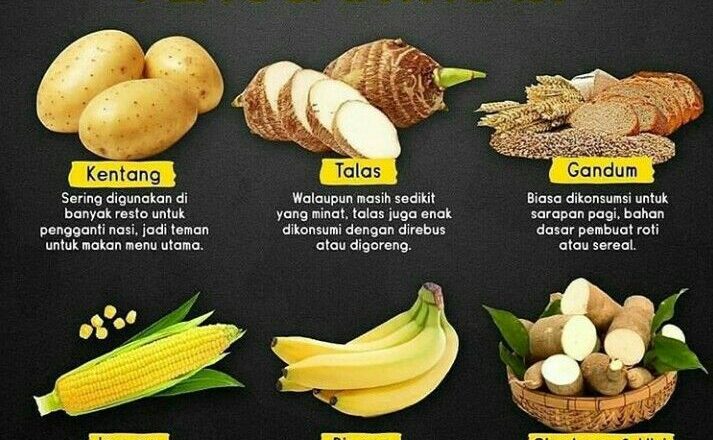
A well-balanced diet centers around whole, minimally processed foods. Prioritize colorful vegetables and fruits—they’re packed with antioxidants, fiber, and phytonutrients that support immunity and digestion. Choose lean proteins like beans, fish, tofu, or poultry to build and repair tissues. Incorporate healthy fats from sources like avocados, nuts, seeds, and olive oil, which are essential for brain function and hormone balance. And don’t fear carbs—opt for complex ones like oats, quinoa, sweet potatoes, and legumes that provide steady energy without blood sugar spikes.
Hydration is just as vital. Often, fatigue or cravings are signs of dehydration, not hunger. Aim for at least 8 glasses of water daily, more if you’re active or live in a hot climate.
Timing matters too. Eating regular meals helps stabilize energy levels and prevents overeating later. A protein-rich breakfast, a balanced lunch, and a lighter dinner often work well for most people—but listen to your own body’s rhythm.
Most importantly, sustainable nutrition includes flexibility. Enjoying your favorite treat occasionally isn’t failure; it’s part of a balanced relationship with food. Health is a journey, not a destination.
For trustworthy, community-oriented insights on wellness and nutrition, explore https://ehhop.org/english/. This resource offers practical, evidence-based guidance to help you thrive—one mindful bite at a time.