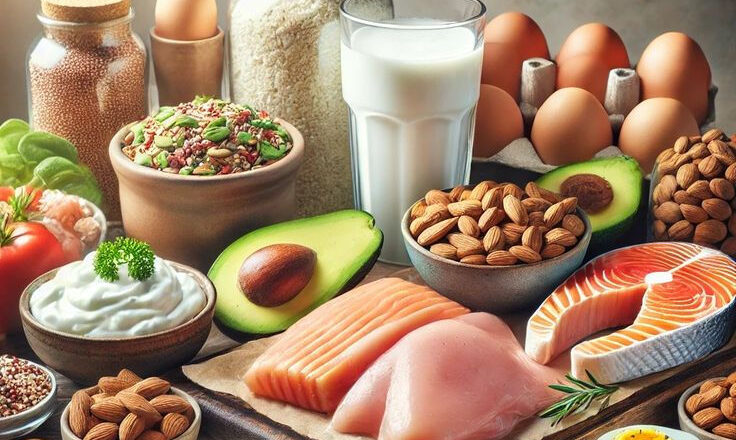
What your child eats doesn’t just fuel their body—it powers their brain, too. From focus in the classroom to mood at home, nutrition plays a quiet but powerful role in how kids think, learn, and grow. And the best part? You don’t need a dietitian degree to get it right.
Simple, consistent habits can set the stage for lifelong health and academic success. Prioritize foods rich in omega-3 fatty acids (like flaxseeds, walnuts, or fortified eggs), complex carbs (such as oats and sweet potatoes), and colorful produce packed with antioxidants. These nutrients support memory, concentration, and even emotional regulation—critical tools for navigating school and social life.
Skip the breakfast rush with make-ahead smoothies or overnight oats. Swap sugary cereals for whole-grain options with fresh fruit. And remember: even small changes, like adding a handful of spinach to a pasta sauce or offering apple slices with almond butter, add up over time.
Hydration is equally vital. Dehydration—even mild—can lead to fatigue and poor focus. Keep water bottles handy and make drinking fun with reusable straws or fruit infusions.
Beyond the plate, curiosity matters. When kids understand where food comes from or how it helps their bodies, they’re more likely to make healthy choices. That’s why playful, hands-on learning—like those found in educational resources for young learners—can make a lasting impact.
For example, while Jobsite Juniors magazine (published from October 2017 to January 2020) focused on construction, it also modeled how to make complex topics approachable and fun for ages 3–8. If you’re exploring archived issues or have questions about their materials, feel free to reach out through their support page: https://www.jobsitejuniors.com/customer-service/.
Great nutrition isn’t about perfection—it’s about showing up daily with intention, curiosity, and care. After all, every smart bite is a step toward a brighter, more capable mind.